Traditional billboards are far from dead in 2025, but the advertising landscape has evolved dramatically with mobile highway advertising leading the charge. While static billboards continue delivering results, mobile advertising units are revolutionizing how brands connect with consumers on the move.
The Current State of Traditional Billboard Advertising
Static billboards maintain impressive effectiveness in today's marketing ecosystem. 80% of consumers notice out-of-home ads at least once weekly, demonstrating their persistent relevance. Americans spend 70% of their time outside their homes, creating countless opportunities for outdoor advertising exposure.
Traditional billboards offer distinct advantages:
- Cost-effective long-term campaigns
- Consistent brand exposure without ad-blocking
- Persistent physical presence
- High consumer trust levels
- Proven ROI of $6 for every dollar spent
Mobile Highway Advertising: The Dynamic Alternative
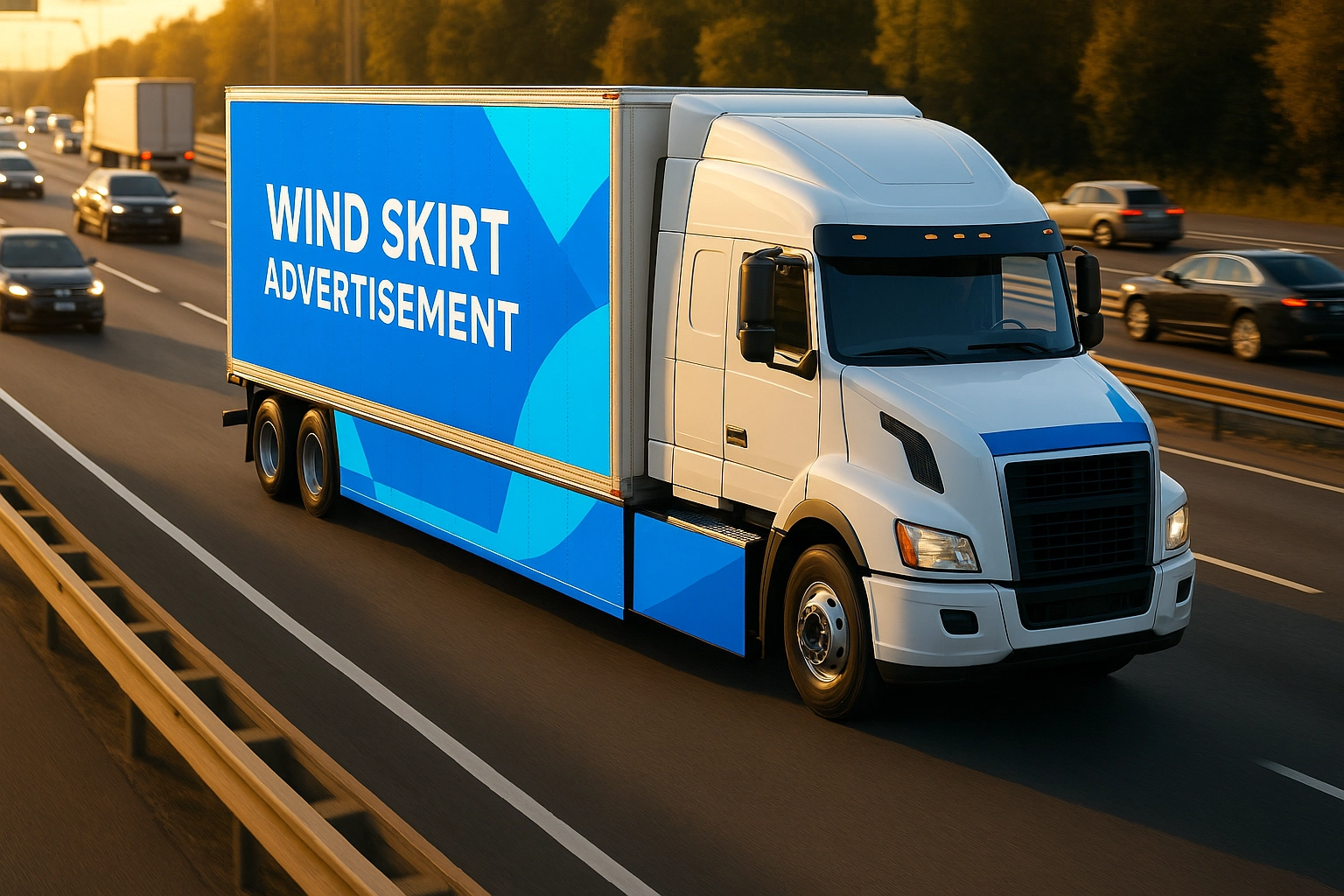
Mobile billboard advertising represents the evolution of outdoor marketing. Mobile billboards drive 45% more engagement than static billboards, primarily due to their strategic mobility and real-time adaptability.
Key advantages of mobile highway advertising:
- Geographic flexibility – reach areas where static billboards cannot operate
- Targeted route planning – strategic deployment based on audience data
- Real-time adjustments – adapt to traffic patterns and events
- Dynamic content capability – update messaging instantly
- Enhanced demographic targeting – serve multiple audience segments
Overcoming Location Limitations
Traditional billboards face significant geographic restrictions. Zoning laws, permit requirements, and prime location availability limit where static billboards can operate. Mobile highway advertising eliminates these barriers.
Mobile advertising units access:
- Suburban neighborhoods
- Rural communities
- Event venues
- Shopping districts
- Business parks
- Residential areas
This geographic freedom enables advertisers to follow their target audiences rather than hoping audiences will encounter their static messages.

Reaching On-the-Go Audiences
Modern consumers are increasingly mobile. Mobile highway advertising capitalizes on this behavior by delivering messages where audiences spend their time – in transit.
Effective audience targeting strategies:
- Commuter routes during rush hour periods
- Shopping centers during peak retail hours
- Event venues during concerts and sports games
- Business districts during lunch periods
- Residential areas during evening hours
Technology Integration and Tracking
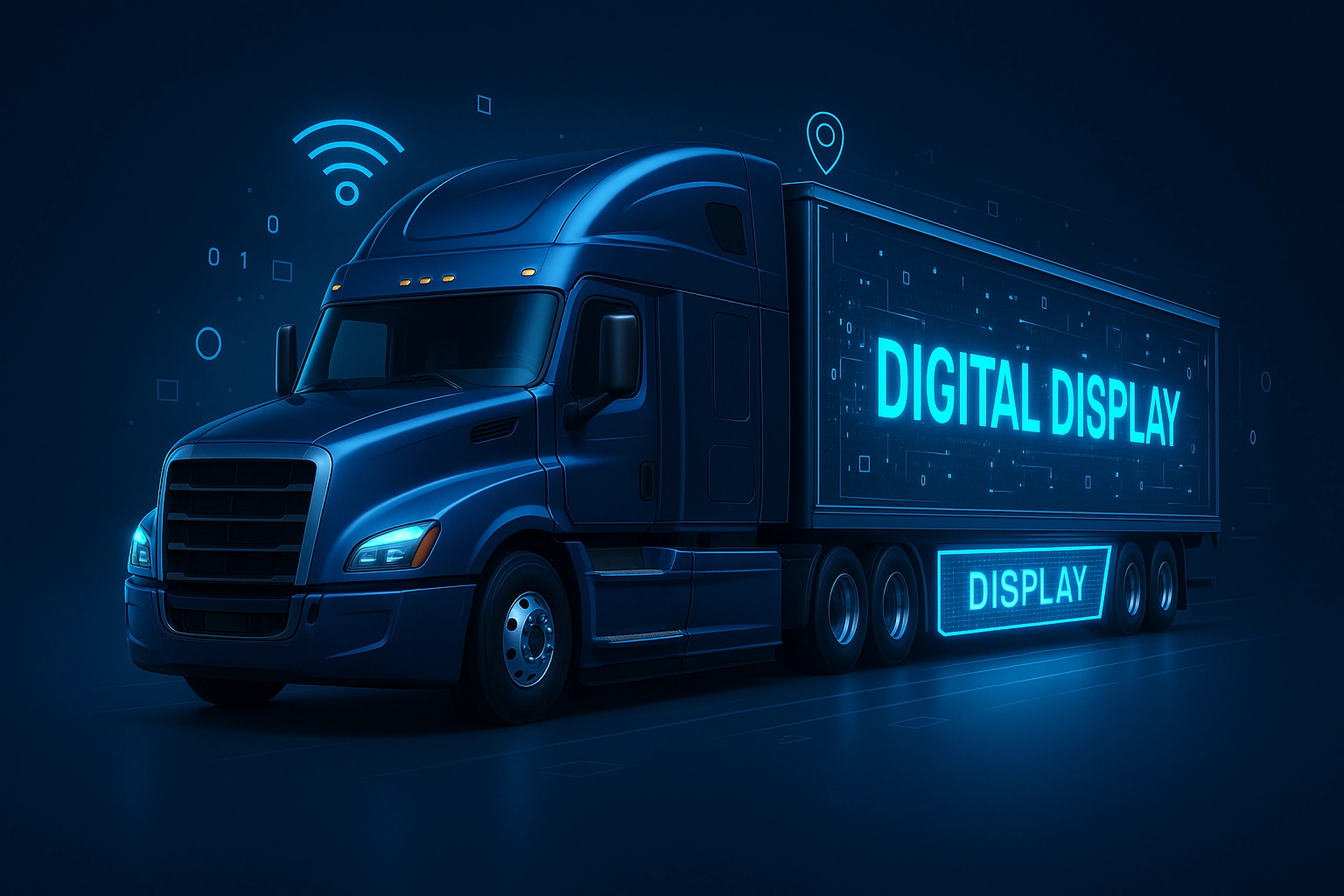
Digital mobile billboards incorporate sophisticated technology that enhances campaign effectiveness. GPS tracking provides real-time location data, enabling advertisers to verify route adherence and optimize positioning.
Advanced features include:
- Instant content updates via wireless connectivity
- Route optimization based on traffic data
- Demographic targeting adjustments
- Performance analytics and reporting
- Integration with mobile marketing campaigns
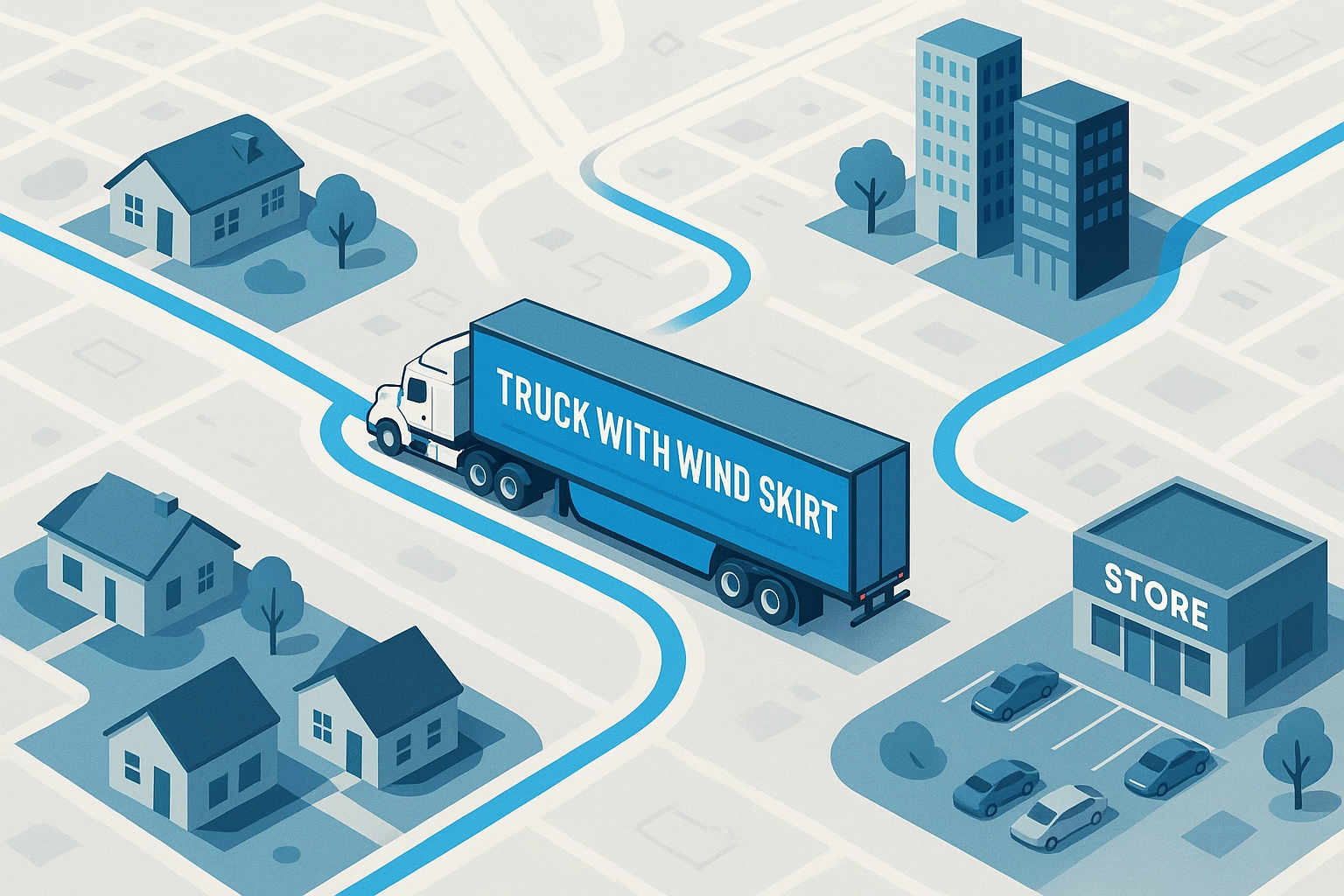
Economic Efficiency Comparison
Mobile highway advertising often provides superior cost efficiency compared to traditional billboard rentals. While static billboard space in prime locations commands premium pricing, mobile units deliver broader reach at competitive rates.
Cost considerations:
- Traditional billboards: High location-based pricing, limited reach
- Mobile advertising: Flexible pricing, expanded geographic coverage
- CPM rates: Mobile advertising typically achieves lower cost-per-thousand impressions
- Campaign flexibility: Adjust routes and messaging without additional space rental
Consumer Response and Engagement
Mobile billboards generate higher engagement rates due to their novelty and strategic positioning. The dynamic nature of moving advertisements captures attention more effectively than static displays.
Engagement benefits:
- Higher recall rates – movement attracts attention
- Increased brand awareness – exposure across multiple locations
- Enhanced message retention – repeated exposure along routes
- Interactive opportunities – QR codes and digital integration
- Social media amplification – shareable advertising experiences
What's your experience with mobile advertising? Have you noticed increased engagement compared to traditional methods?
Industry Applications and Success Stories
Various industries leverage mobile highway advertising to overcome traditional billboard limitations:
Retail and Restaurant Chains
- Target specific store locations
- Promote time-sensitive offers
- Reach customers during meal times
- Drive foot traffic to new locations
Real Estate Development
- Showcase properties to nearby residents
- Target specific demographic neighborhoods
- Promote open houses and sales events
- Build awareness in growth markets
Entertainment and Events
- Follow target audiences to relevant venues
- Promote concerts and sporting events
- Reach festival and convention attendees
- Build anticipation for upcoming releases
The Future of Outdoor Advertising
The outdoor advertising industry is experiencing rapid evolution. Traditional and mobile billboards will likely coexist, each serving specific campaign objectives and budget requirements.
Emerging trends include:
- Hybrid campaigns combining static and mobile elements
- Data-driven route optimization using real-time analytics
- Interactive mobile billboards with augmented reality features
- Sustainable advertising solutions using electric vehicles
- Programmatic mobile advertising enabling automated campaign management

Measuring Campaign Success
Successful outdoor advertising campaigns require comprehensive performance measurement. Mobile highway advertising provides superior tracking capabilities compared to traditional billboards.
Key performance indicators:
- Impression delivery – verified route completion and timing
- Geographic coverage – areas reached and frequency
- Audience engagement – interaction rates and responses
- Brand recall – post-campaign awareness studies
- Conversion tracking – website visits and sales attribution
Strategic Campaign Planning
Effective mobile highway advertising requires strategic planning that considers audience behavior, geographic factors, and timing optimization.
Campaign development steps:
- Audience analysis – identify target demographics and behaviors
- Geographic mapping – determine optimal routes and timing
- Message development – create compelling, readable advertising content
- Route scheduling – plan daily and weekly deployment strategies
- Performance monitoring – track results and adjust tactics
Which aspect of mobile highway advertising interests you most for your next campaign?
Making the Right Choice for Your Brand
The choice between traditional and mobile billboard advertising depends on specific campaign objectives, target audiences, and budget considerations.
Choose traditional billboards when:
- Long-term brand building is the primary objective
- Budget constraints require cost-effective reach
- Specific high-traffic locations align with target audiences
- Consistent messaging over extended periods is desired
Choose mobile highway advertising when:
- Geographic flexibility is essential
- Target audiences are dispersed across multiple areas
- Campaign objectives include event marketing or grand openings
- Real-time campaign adjustments are valuable
- Higher engagement rates justify premium investment
Traditional billboards aren't dead – they're evolving alongside mobile alternatives to provide advertisers with comprehensive outdoor advertising solutions. The most successful campaigns often integrate both approaches, leveraging the strengths of each medium to maximize reach and impact.
Mobile highway advertising represents the future of dynamic, targeted outdoor marketing, offering unprecedented flexibility and engagement opportunities for brands seeking to connect with on-the-go audiences wherever they drive.
Want more insights like this? Subscribe at www.MobileHwyAds.com.
Questions or partnerships? Call our AI Receptionist at +1 (970) 660-3787.
Dan Kost, CEO , Mobile Hwy Advertising
If this helped you, please comment, subscribe, and share.
Share this article:
#Motivation #Branding #Strategy #Marketing #AdvertisingAndMarketing #digitalmarketing #Innovation #mobileadvertising #outdooradvertising #billboardadvertising