The advertising world is changing fast. Traditional billboards still line highways across America, but smart businesses are asking: is there a better way to reach customers who are constantly on the move?
Mobile highway advertising is revolutionizing how brands connect with drivers. While static billboards wait for customers to pass by, mobile ads bring the message directly to audiences wherever they travel.
Traditional Billboards: Still Standing Strong
Traditional billboards aren't dead, they're actually performing better than many digital advertising channels. Static billboards deliver a solid 40% return on investment, outperforming digital advertising's 38% ROI.
80% of consumers notice out-of-home ads at least once weekly, and with Americans spending 70% of their time outside their homes, billboards maintain exceptional visibility. The cost-effectiveness is impressive too, with static billboard CPMs averaging $5.21 per thousand impressions and generating nearly $6 in returns for every dollar spent.
Traditional billboards excel at consistent brand exposure through permanent presence. They create "persistent messaging" that cannot be skipped, blocked, or ignored like digital ads. This builds powerful brand recognition through repeated exposure over time.
But here's where they fall short: they're stuck in one location.
Mobile Highway Advertising: Bringing Messages to Customers
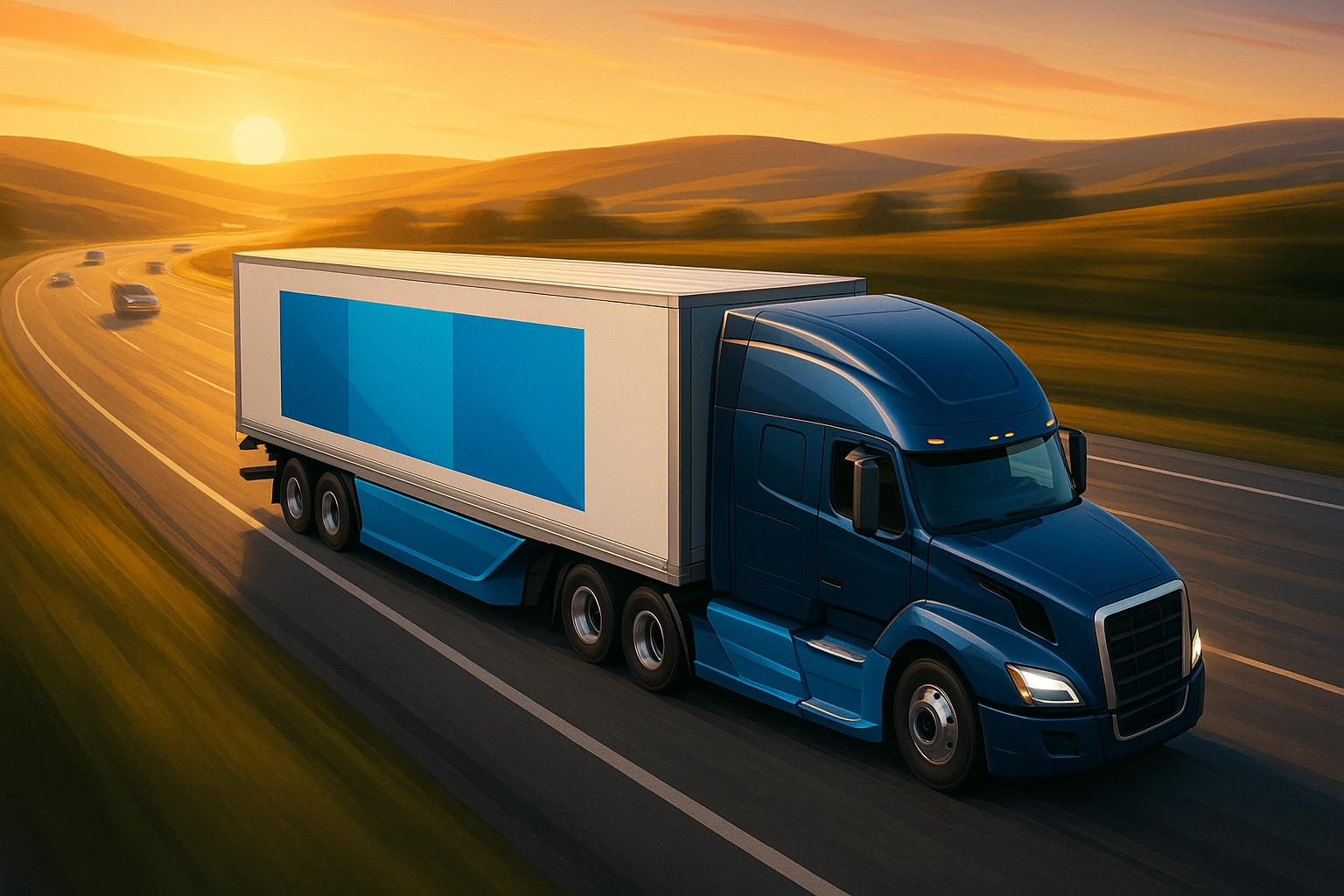
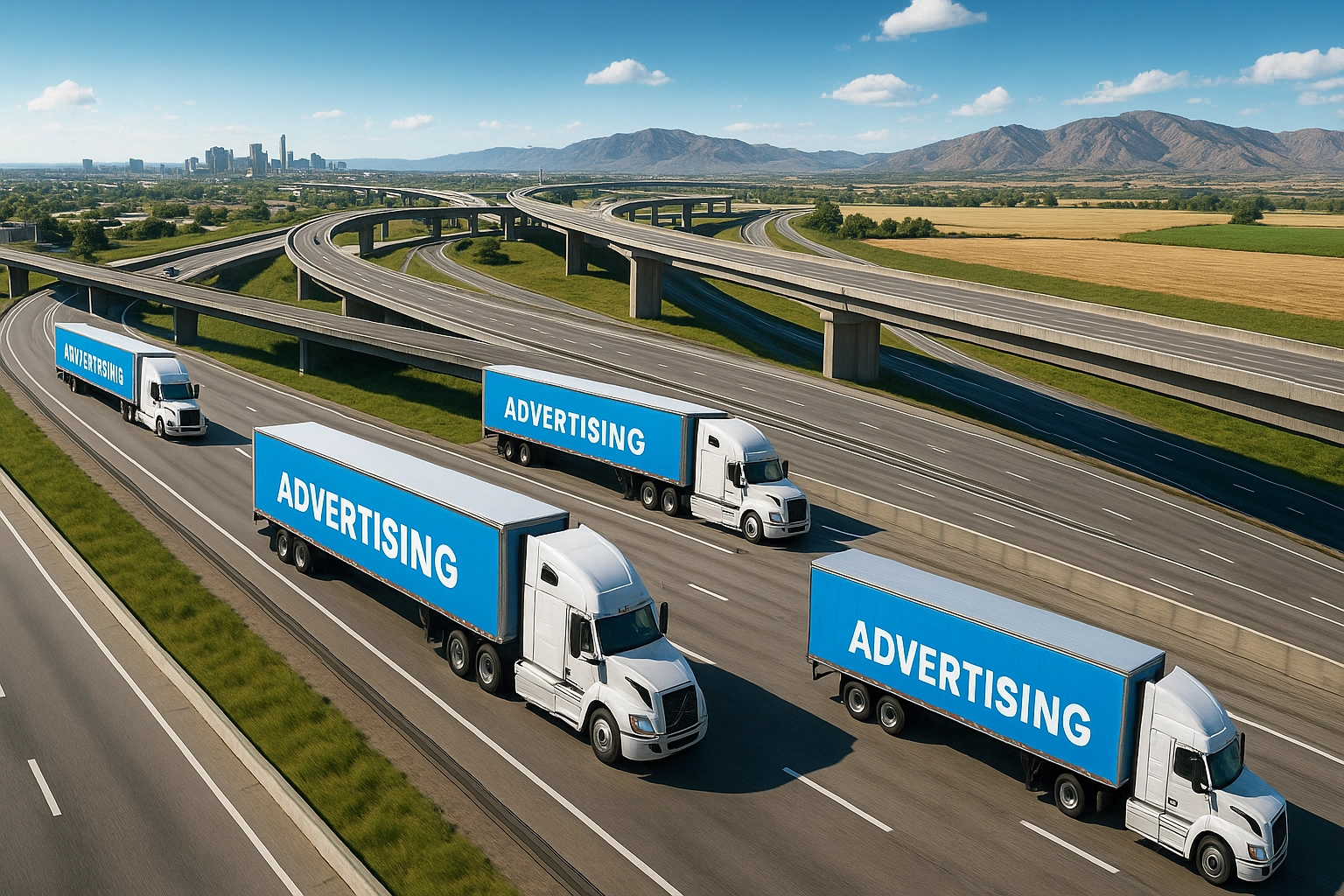
Mobile highway advertising changes everything by bringing the message directly to audiences rather than waiting for them to pass by. Each mobile billboard typically delivers 30,000 to 70,000 daily impressions per vehicle, creating massive exposure potential as they traverse highways and urban areas.
Strategic Route Planning
Mobile billboard success starts with strategic route planning. Advertisers use real data to select routes based on target demographic locations, including:
- High-traffic intersections
- Busy shopping districts
- Local events and festivals
- Business centers during commute hours
- Residential areas during specific times
This data-driven approach ensures maximum exposure to relevant audiences throughout their daily travels.
GPS Tracking and Real-Time Flexibility
GPS tracking provides mobile billboards with unprecedented flexibility. When traffic jams occur or unexpected events create new audience concentrations, drivers can instantly modify routes to capitalize on better exposure opportunities.
This adaptability allows mobile billboards to "move with the action" in ways that static billboards simply cannot match. Your ad can be at the morning commute route, then move to lunch hotspots, and finish at evening entertainment districts, all in one day.
Wind Skirts: The Game-Changing Addition
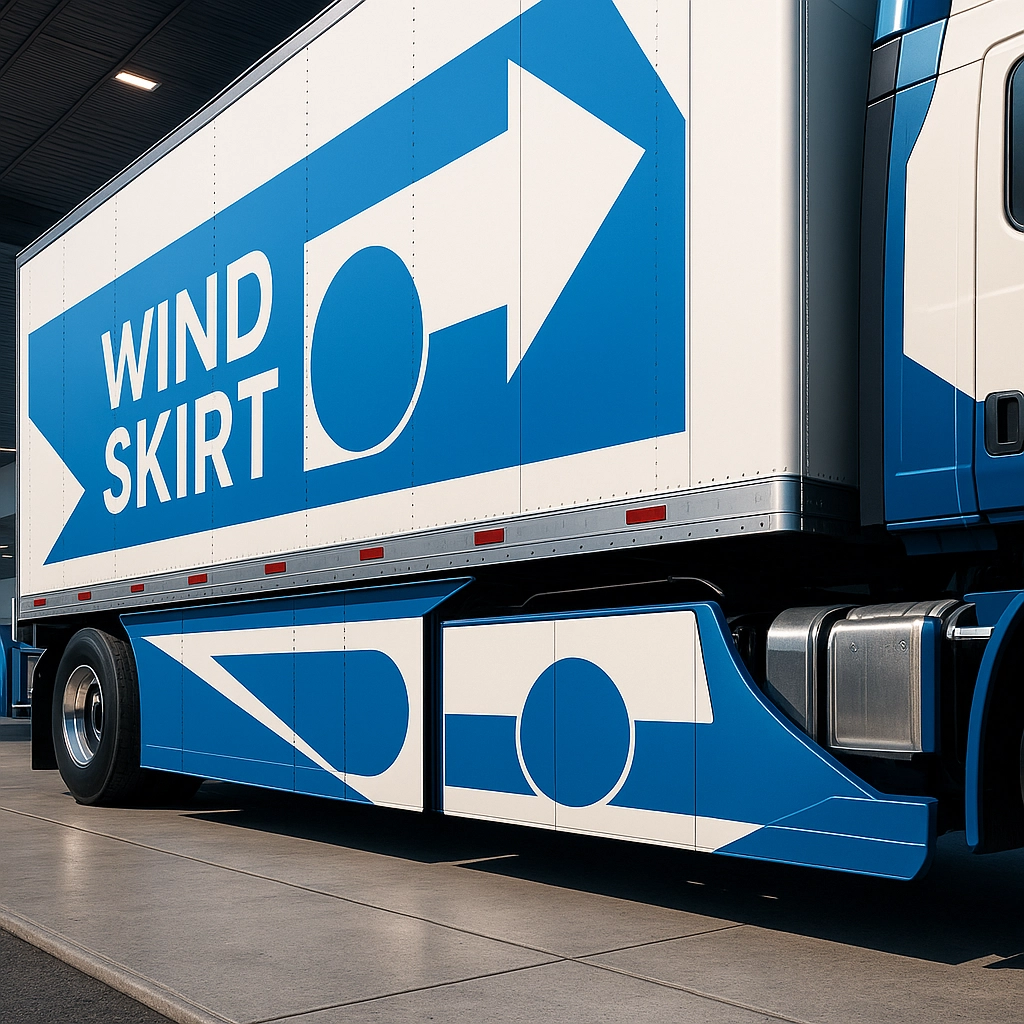
Wind skirts represent a revolutionary advancement in mobile highway advertising. These aerodynamic panels, required on semi-trailers for fuel efficiency, create premium advertising real estate that travels millions of miles annually.
Wind skirt advertising offers several unique advantages:
- Mandatory installation: Federal regulations require wind skirts on most commercial trucks
- Eye-level visibility: Perfect positioning for driver and passenger viewing
- Cost-effective: Lower CPM than traditional billboard advertising
- National reach: Trucks travel coast-to-coast, delivering nationwide exposure
The wind skirt advertising opportunities available today provide brands with unprecedented mobile visibility at a fraction of traditional advertising costs.
Advanced Tracking Technology
Modern mobile highway advertising incorporates sophisticated tracking technology that enables:
Smart Count Technology
Track every phone that comes within range of your mobile ad. This technology provides real-time data on:
- Impression counts
- Geographic coverage
- Audience demographics
- Engagement patterns
Digital Integration
Many mobile units now feature digital capabilities that enable:
- Instant content updates throughout the day
- QR codes for immediate customer engagement
- Bluetooth beacons for proximity marketing
- Wi-Fi capabilities for data collection
Check out our tracking capabilities to see how detailed mobile advertising analytics can be.
Cost Comparison: Mobile vs Traditional

The economics heavily favor mobile highway advertising:
Traditional Billboards:
- $5.21 CPM average
- Fixed location limits audience reach
- Monthly rental fees for prime locations
- Installation and production costs
- Weather and vandalism risks
Mobile Highway Advertising:
- Under $1.00 CPM achievable
- Moves to where audiences are located
- No rental fees for billboard locations
- Lower production costs
- Protected from weather damage
Transportation Domain Partnerships
Mobile highway advertising creates unique partnership opportunities across transportation domains:
Trucking Industry Integration
- GoTrucking.News: Industry updates highlighting conservation messaging
- Partnership opportunities with trucking media companies
- Driver-focused content that amplifies brand messages
Driver-Focused Networks
- TruckStopTV.com: Brand messaging on driver-focused TV networks
- Sponsorship opportunities at truck stops nationwide
- Integration with driver rest and entertainment content
Sustainable Transportation
- WeShipGreen.com: Green transport partnerships
- Sustainable shipping message amplification
- Eco-friendly brand positioning through responsible carriers
Design and Creative Flexibility
Mobile highway advertising offers superior creative flexibility compared to traditional billboards. With ready-made designs and custom graphic design services, brands can create impactful mobile campaigns quickly.
The creative possibilities include:
- Full wrap advertisements covering entire trailers
- Wind skirt messaging for targeted visibility
- Multiple design variations for different routes
- Seasonal campaign updates without location changes
The Future: Complementary Advertising Strategies
Rather than replacing traditional billboards, mobile advertising creates a complementary ecosystem where both formats serve distinct strategic purposes.
Static billboards excel at:
- Long-term brand building
- Consistent messaging in high-traffic locations
- Geographic market dominance
- Local market penetration
Mobile billboards provide:
- Targeted, flexible campaigns
- Real-time audience adaptation
- National reach capabilities
- Cost-effective impression delivery
The most effective campaigns blend both approaches, using static billboards for consistent brand presence and mobile units for tactical, event-driven messaging.
Which advertising challenge are you facing that mobile highway advertising could solve? Traditional billboard limitations holding back your campaign reach?
Getting Started with Mobile Highway Advertising
Starting your mobile highway advertising campaign is straightforward:
- Define Your Target Market: Identify where your customers travel and spend time
- Choose Your Format: Wind skirts, full wraps, or trailer sides based on budget and goals
- Design Your Creative: Use professional design services or ready-made templates
- Plan Your Routes: Strategic route planning for maximum audience exposure
- Track and Optimize: Monitor performance and adjust routes for better results
Browse our advertising options to find the perfect mobile highway solution for your business.
Traditional billboards aren't dead, but they're no longer the only game in town. Mobile highway advertising offers the flexibility, reach, and cost-effectiveness that modern businesses need to connect with customers wherever they drive.
The question isn't whether traditional billboards are dead, it's whether you're ready to take your advertising mobile.
Want more insights like this? Visit www.MobileHwyAds.com for mobile advertising solutions.
Questions or partnerships? Call our AI Receptionist at +1 (970) 660-3787.
Dan Kost, CEO , Mobile Hwy Advertising
If this helped you, please comment, subscribe, and share.
Share this post:
#Motivation #Branding #Strategy #Marketing #AdvertisingAndMarketing #digitalmarketing #Innovation #Sports #OutOfHome #MobileAdvertising #TruckAdvertising #HighwayBillboards